Chinese Surveillance Exports Are Documented — In the Buying Country's Tender Records
Huawei, Hikvision and Dahua don’t publish deployment lists. The governments buying from them publish everything — tender notices, technical annexes, award records and audit reports.
 By the EPCYBER Intelligence Team
Ask where Chinese surveillance technology has actually been deployed and you get the same three sources every time: a vendor press release, a think-tank map, and a news article citing the other two. All three are downstream of the same problem — the seller controls the disclosure, and the seller has every reason to describe a facial-recognition command centre as a traffic-management upgrade.
The buyer has the opposite incentive structure. Public procurement law in most of the world requires a government to publish what it intends to purchase, what it received, who won, and what it paid. That obligation doesn't pause because the winning bidder is in Shenzhen. The result is that the most detailed public record of a Chinese surveillance deployment usually sits on a procurement portal in the country being surveilled — in the local language, unindexed by Western tooling, and completely unread.
The tender file is also more specific than anything the vendor will ever say. Technical annexes are written by engineers who need the delivered equipment to work, so they name it: model families, sensor resolutions, storage retention windows, the number of concurrent facial-recognition channels the VMS must support, integration requirements against an existing platform. Bid evaluation reports name the losing bidders and the local integrator. Auditor-general reports, filed years later, name the contract value and the parts that were never delivered.
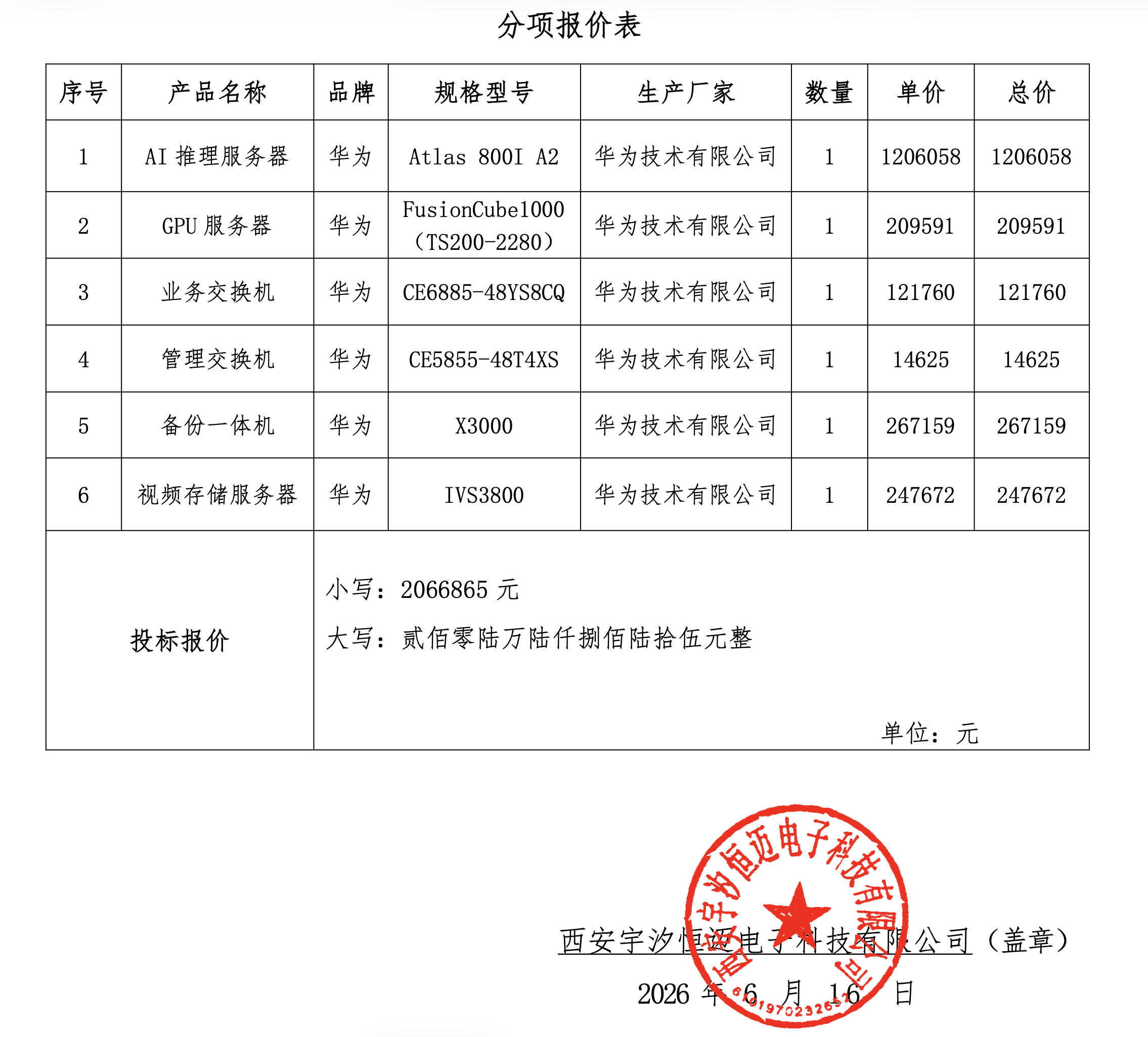
Cross-reference three documents from three separate systems — the tender notice, the award record, and the audit report — and you can reconstruct a deployment the vendor never acknowledged, dated, priced, and mapped to specific facilities. The same technique surfaces the intermediary structures that appear between the manufacturer and the buyer when the manufacturer is under sanction.
Read the full investigation
The complete article — methods, sources, and redacted case studies — is sent by email to verified members. Enter your corporate email to request access.