
Blog

The US listed CNOOC as military-linked years ago; analysts speculated its rigs were dual-use. EIP found the actual pipe — sensor data to named PLA submarine-warfare customers, on dedicated lines.
Read post →
The association registers locally and reports upward to Beijing. Both halves are documented — one in a national companies registry, the other in Chinese-language event coverage.
Read post →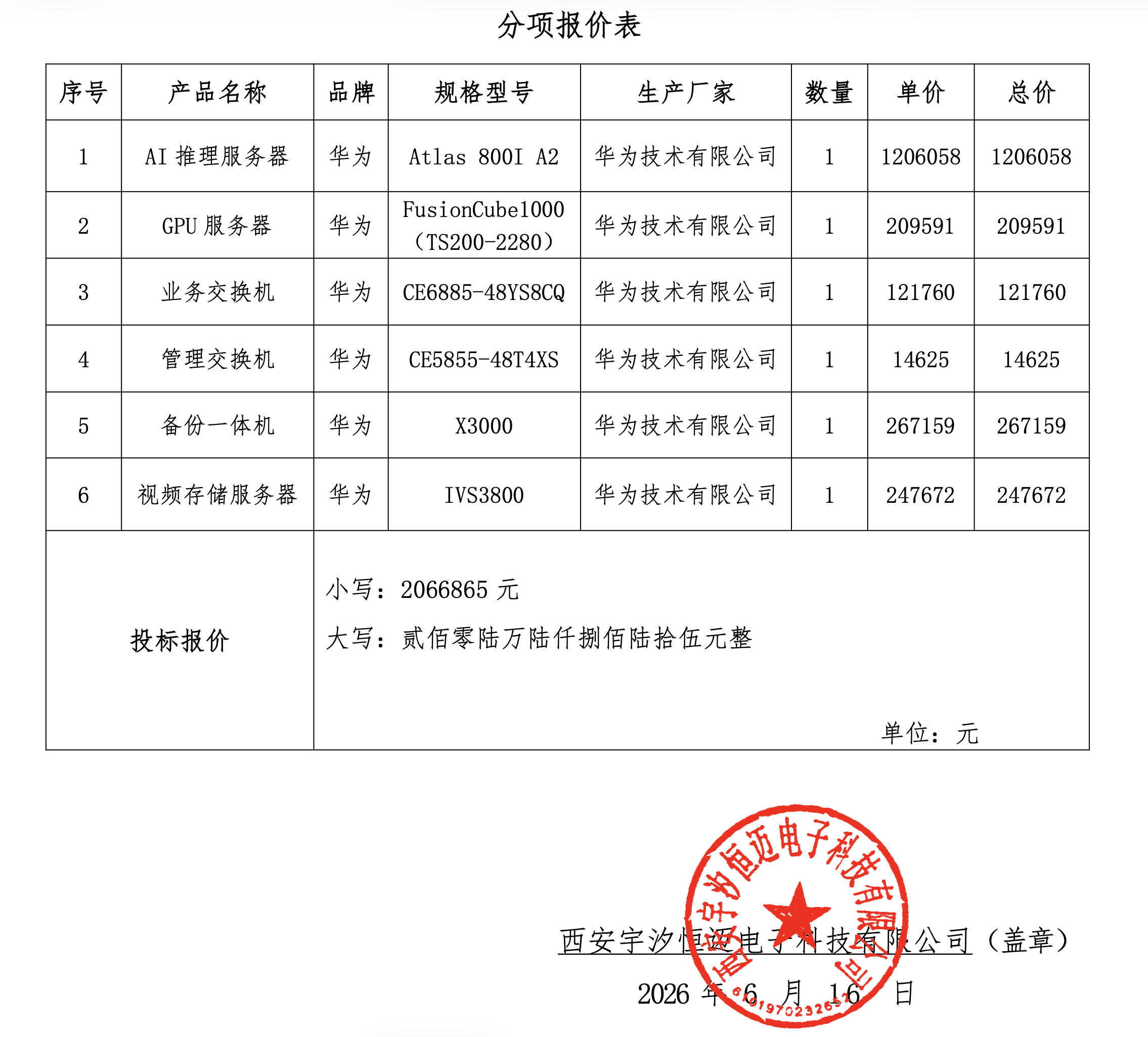
The vendor publishes a press release. The purchasing government publishes the bill of quantities, the model numbers, the winning bidder, and the contract value.
Read post →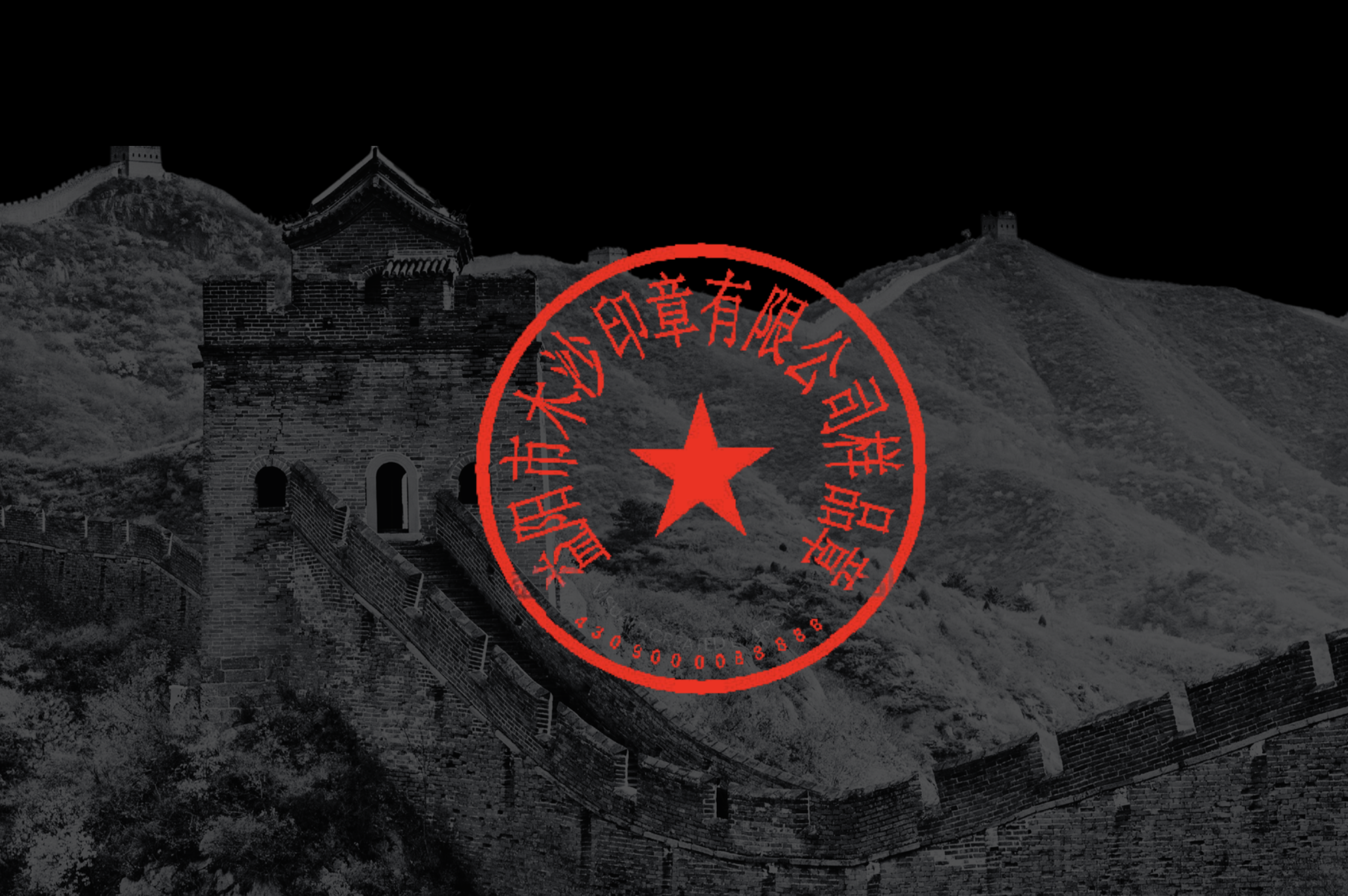
深圳市华建 and 深圳市华健 are one stroke apart and legally unrelated. Chinese entity resolution breaks on characters, not on names.
Read post →
The .cn site gives you an address and a founding year. The 公众号 gives you clients, facilities, hiring, and faces.
Read post →Anyone can tell you which Chinese platforms matter. Almost nobody will show you an analyst sitting in front of one and working it — the pivot, the wrong turn, the field everyone else scrolls straight past. New lessons land through August, and a couple of minutes of one is already up.
Watch →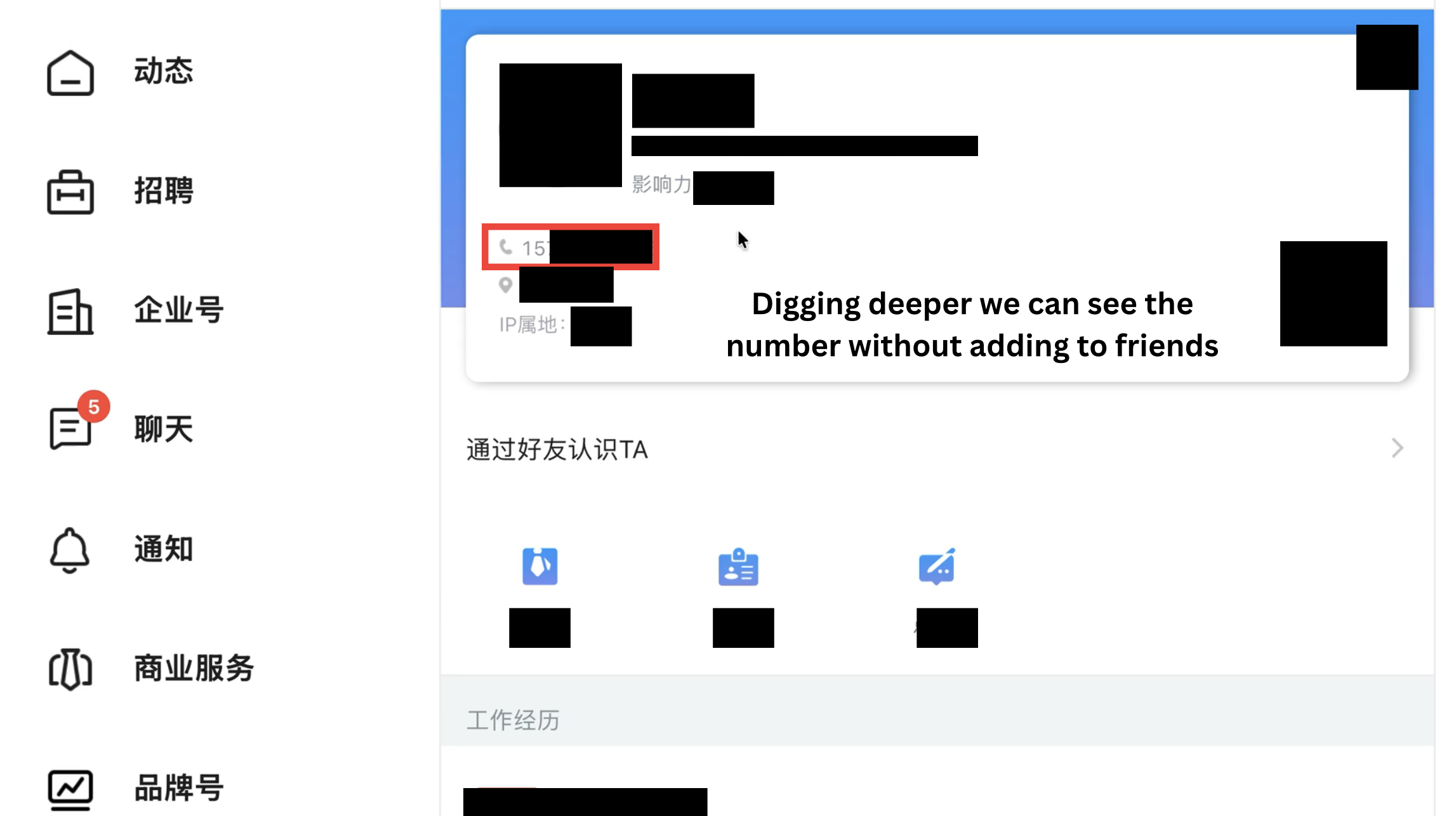
You lock your contact details to friends, read it as a wall, and never think about it again. The gap between what feels private on these platforms and what actually stays private is wider than almost anyone on them realizes.
Read post →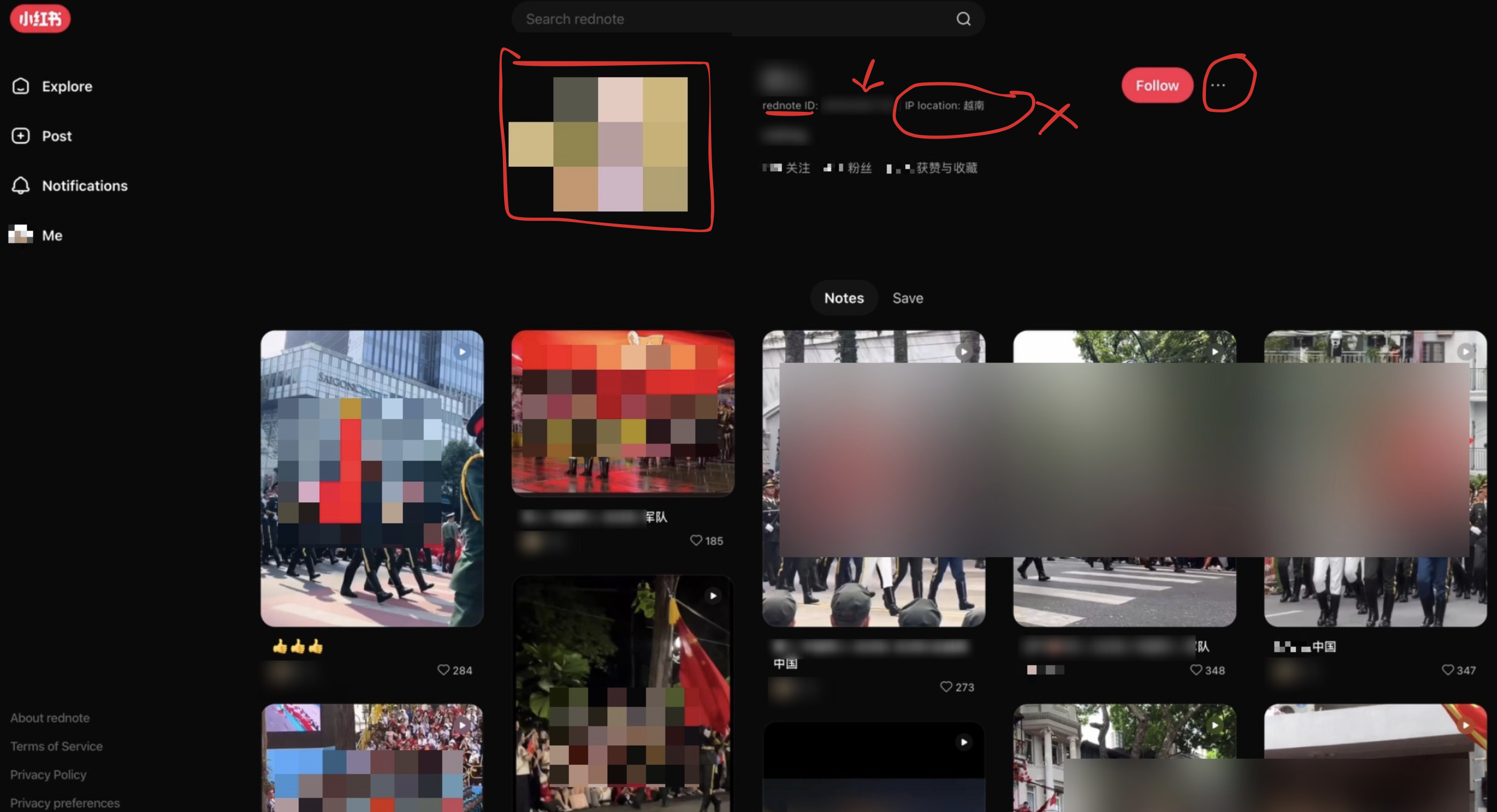
The platform prints an IP location on every profile. It says Vietnam. The feed is wall-to-wall Chinese military parades. The tag only tells you so much — so we go digging into the platform for where they really are.
Read post →
It never looks like espionage at first. It looks like an opportunity — a message, an invite, a friendly recruiter two blocks from your office.
Read post →
Thousands of accounts. A handful of real people. Every shortcut they take to fake a crowd is a thread you can pull.
Read post →
Seeing foreign ecosystems through a different lens — a new advanced, corporate-verified course that brings penetration-testing tradecraft to China OSINT and surfaces what conventional analysts never see.
Read post →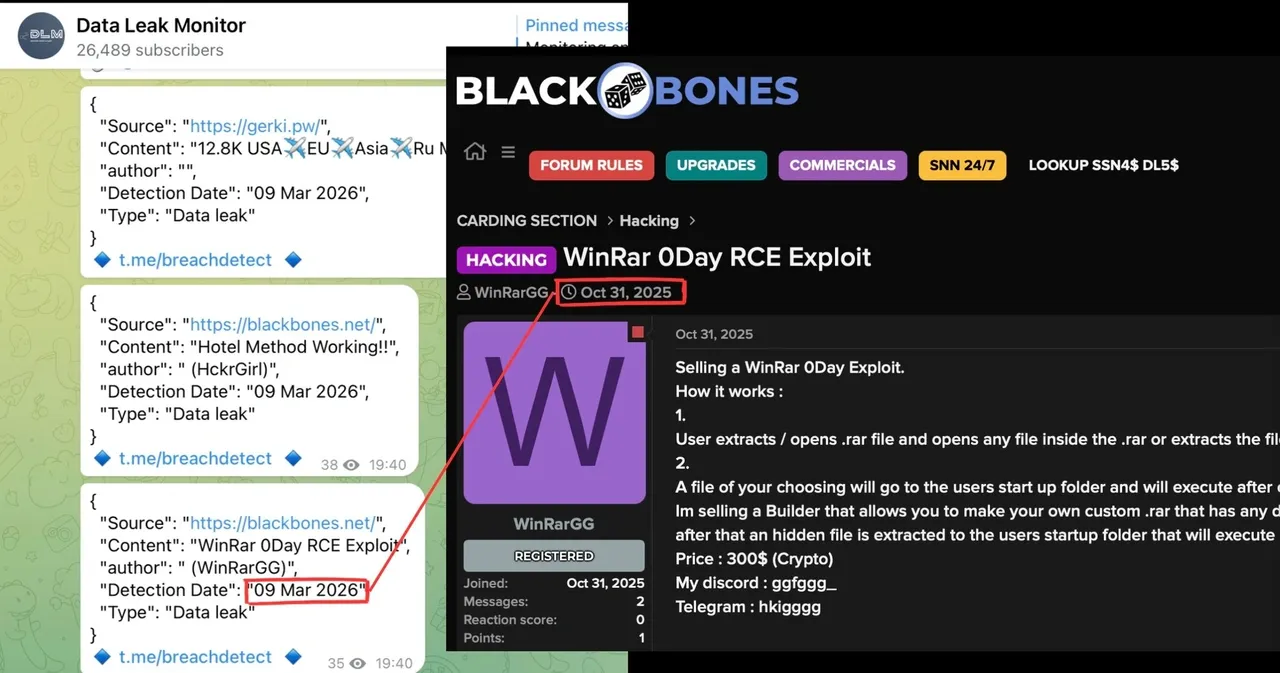
The sales deck shows pins on every underground ecosystem. What ships is machine-translated headlines and keyword alerts — coverage you can see, intelligence you can't.
Read post →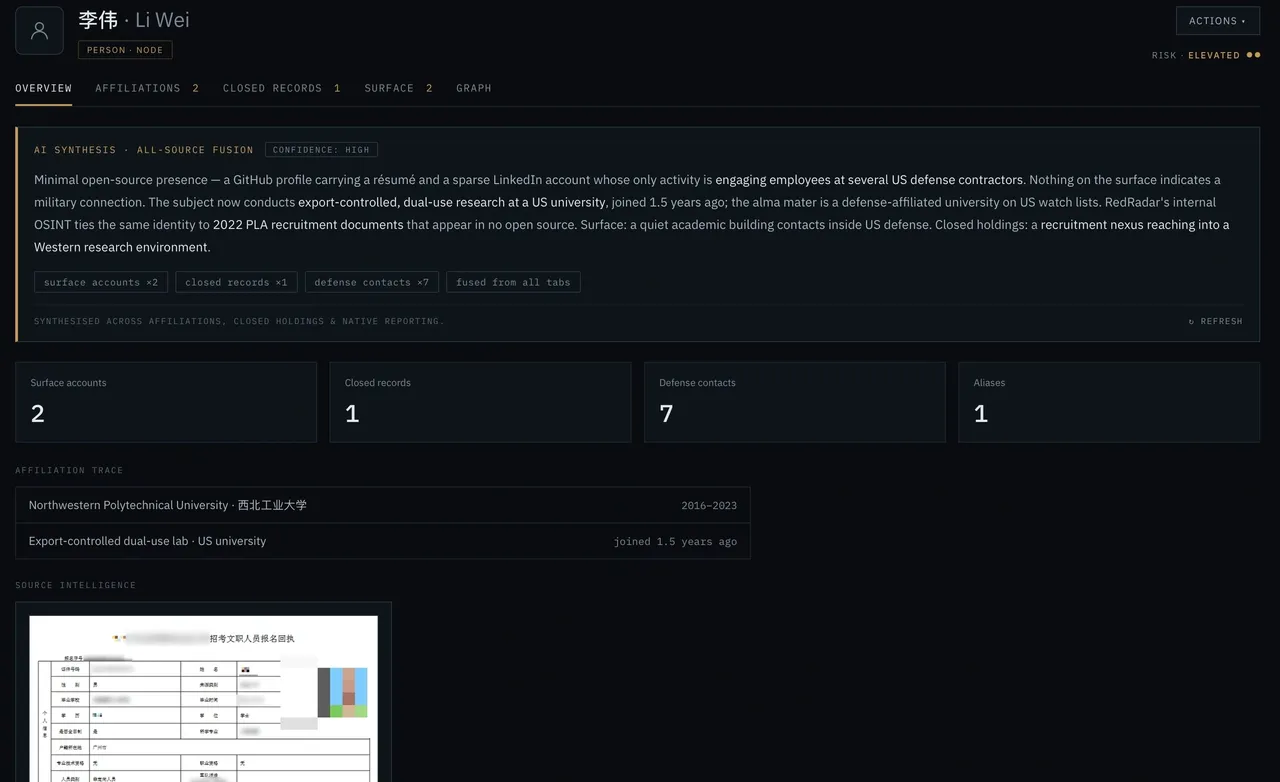
The résumé is the least trustworthy document in the room — and it's the one nearly every vetting process leans on hardest.
Read post →
Operators leave default certificates, unchanged favicons, and framework credits sitting in the HTML. Every shortcut they take becomes a fingerprint — and fingerprints are searchable.
Read post →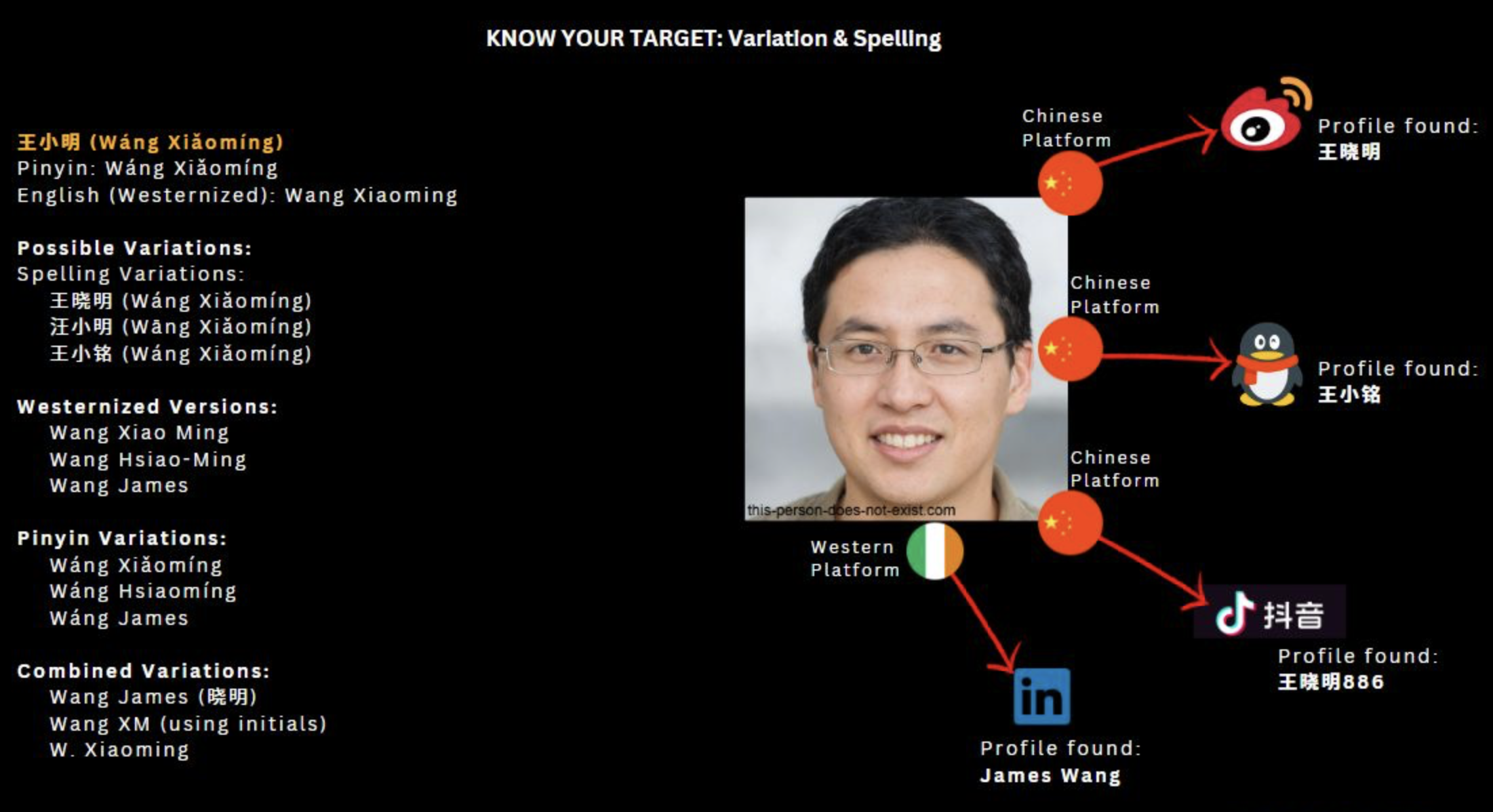
张三 is China's John Doe. Before you build a profile on a Chinese name from a leak, make sure you're not chasing a placeholder.
Read post →
Some of the most valuable open-source intelligence on Chinese military activity isn't text — it's Douyin video. Here's how to work with it, even if you don't read Chinese.
Read post →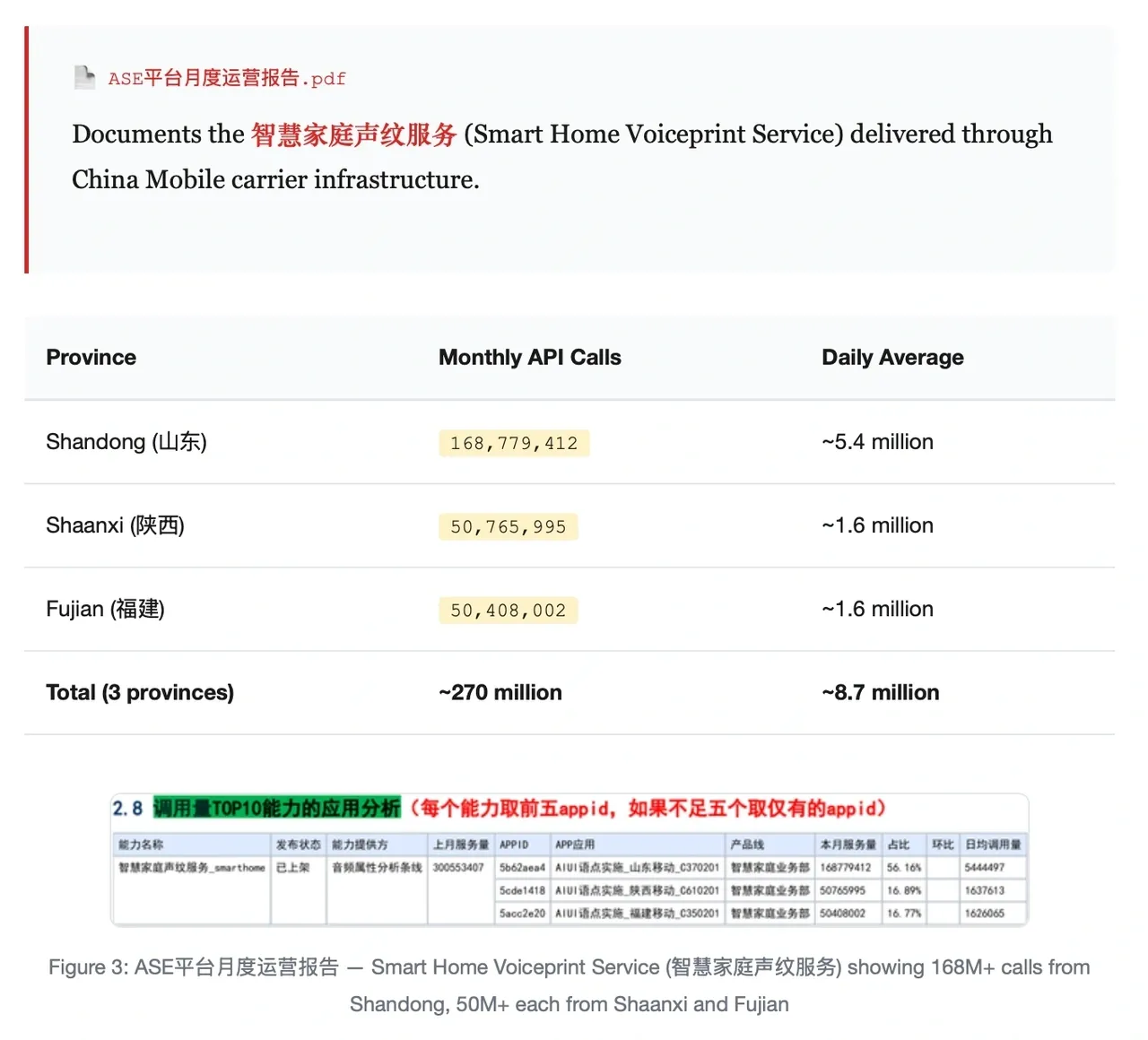
Leaked internal documents reveal 270 million monthly voiceprint collections, video analysis deployed to China's security apparatus, and deep integration with Huawei systems.
Read post →
A free, hands-on investigation that chains the clues from the surface web down to the source — the same tradecraft, as a challenge. No course required to play.
Enter the CTF →

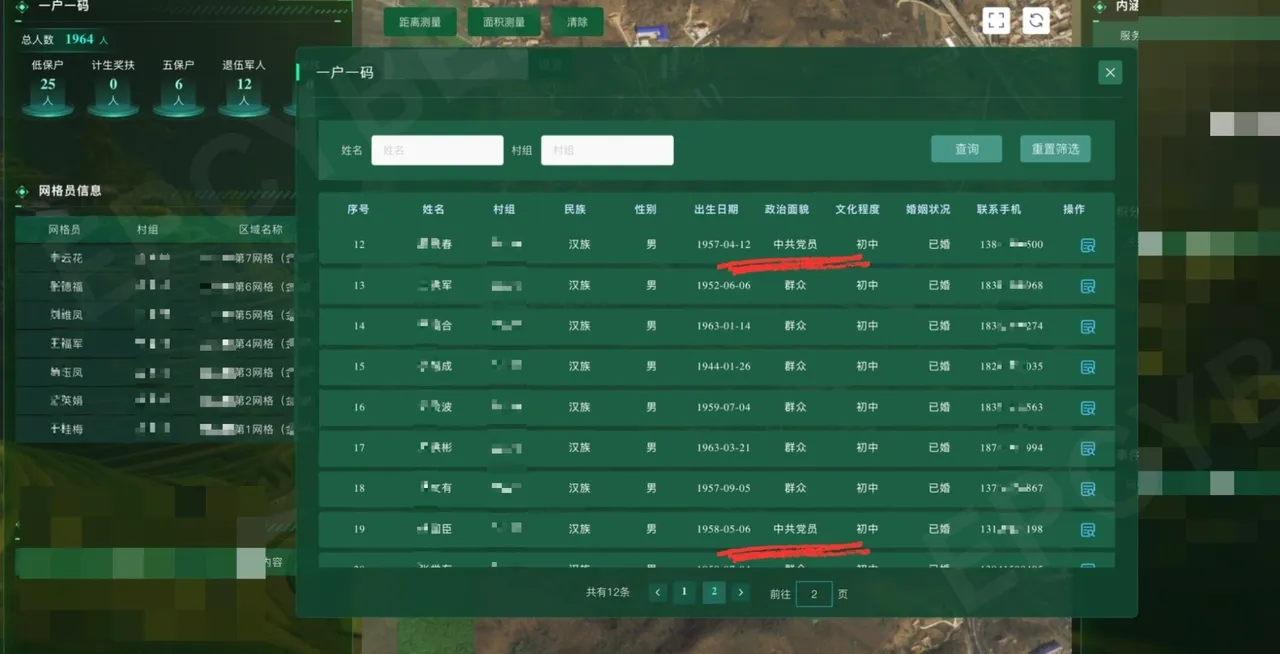
Party members, veterans, grid watchers, militia warehouses, and 2,000 people whose every move is logged — a look inside a village-level CCP surveillance system on the North Korean border.
Read post →
A new alias doesn't mean a new actor. Behavioral patterns, opsec failures and linguistic habits persist — here's a framework for collapsing personas back into one operator.
Read post →
Decode the structure of PLA unit designations — what the MUCD numbers reveal about branch, function, and command, and how to search them.
Read post →
The day after a Chinese company hits the Entity List, a new one is registered in Hong Kong. Same address, same directors. Here are the patterns that give the cutouts away.
Read post →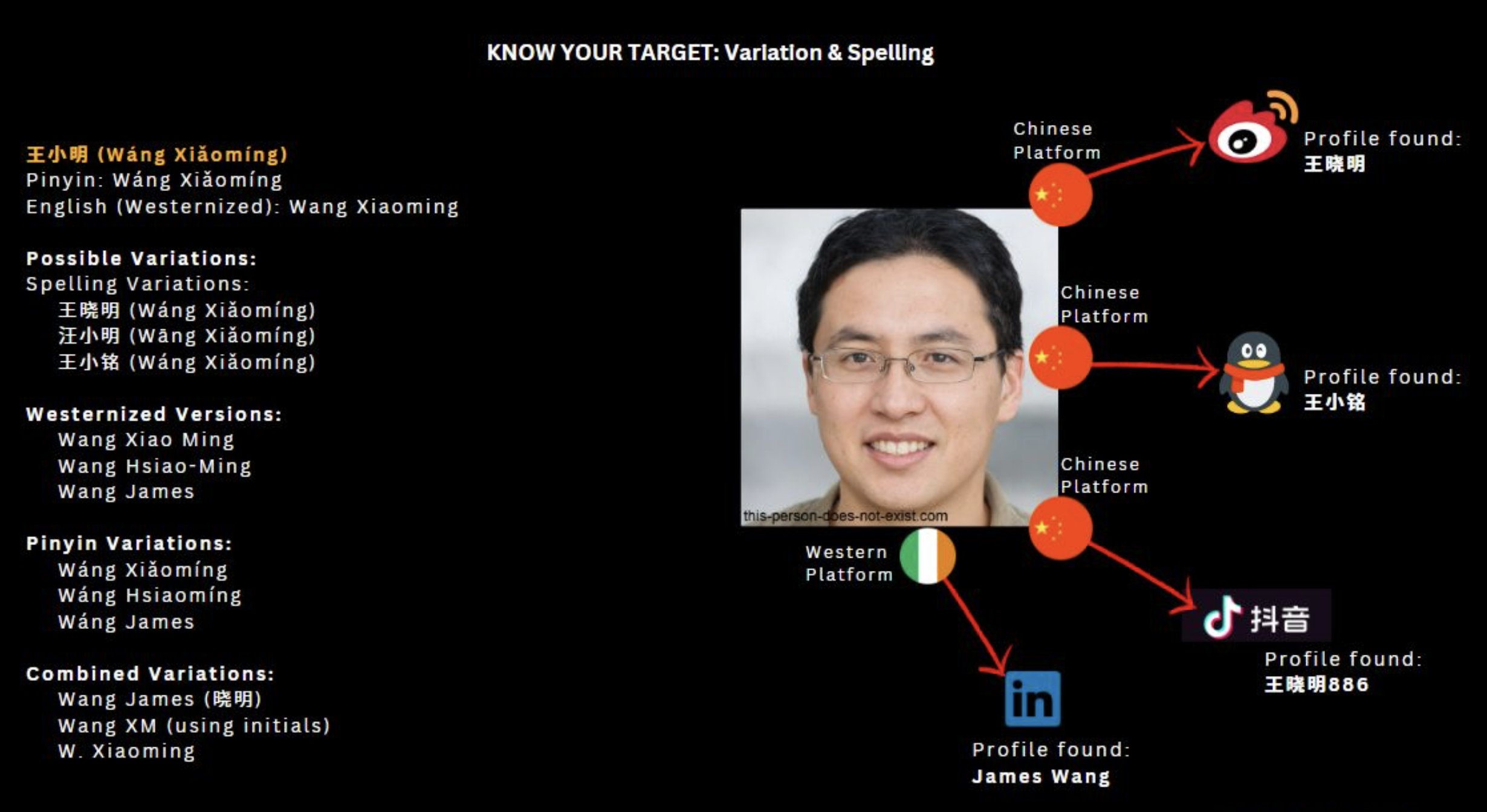
You search 'Zhang Wei' and get 50 million results. Chinese name OSINT runs on different logic — and if you don't understand it, you're drowning in false positives or missing your target.
Read post →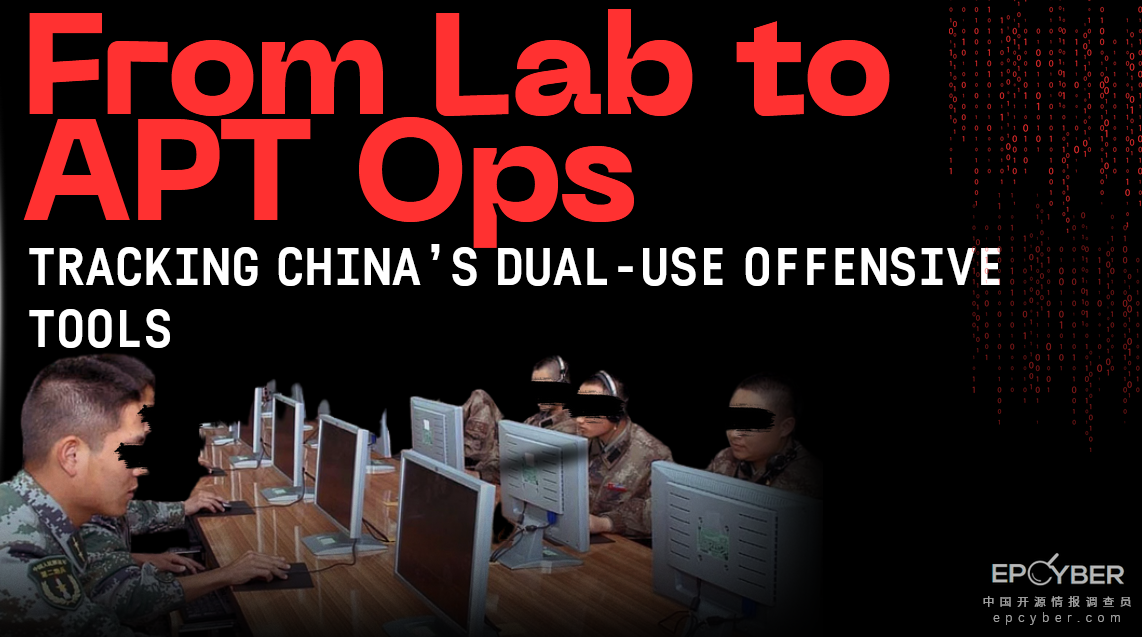
Beijing's military-civil fusion doesn't hide in secret networks — it files patents, registers companies, and occasionally leaks documents. Here's where to actually start looking.
Read post →
XSS shut down, BreachForums got compromised, and a new forum quietly emerged to absorb the fallout. Spotting these shifts early is what separates reactive monitoring from proactive intelligence.
Read post →
China's 2025 AI Security Governance draft reads like standard regulatory noise — until you notice it's a playbook for AI-assisted offensive cyber operations at scale.
Read post →
No military background anywhere online. Then a routine 2019 civil-servant candidate list from Jingmen City gave up the whole profile.
Read post →
Some of the most actionable dark-web sources aren't buried in .onion forums — they're sitting in plain sight on paste sites. Here's how to pivot one overlooked paste into a live threat-actor network.
Read post →
A new method to obtain and use a real +86 number independently — create verified accounts on Zhihu, QQ, Weibo, Douyin and more, no ID verification required.
Read post →
Wix-style geo/VPN/TOR blockers rely on simple logic. Understand how they work and two out-of-the-box methods open the door — no VPN required.
Read post →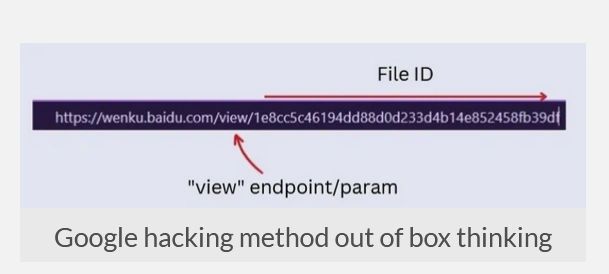
The complete field guide to China OSINT — every major domestic platform, what it exposes, and how analysts pull emails, phones, and usernames from it.
Read post →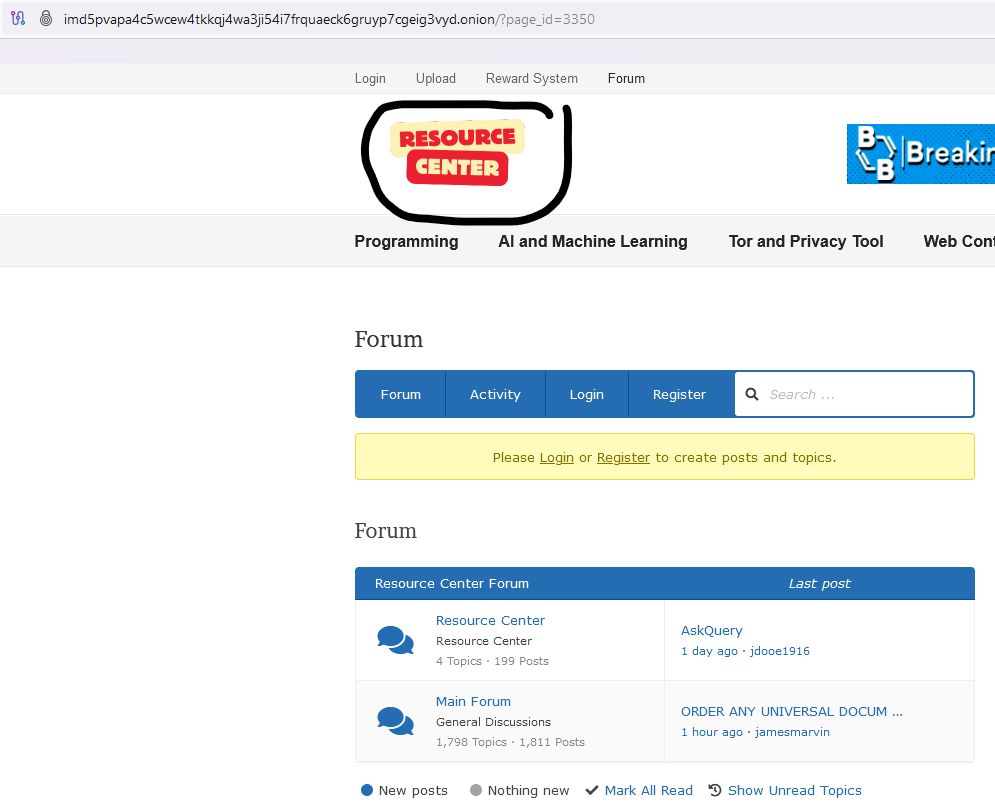
A familiar-looking logo on a dark web forum led us to its admin — through the image metadata they forgot to strip.
Read post →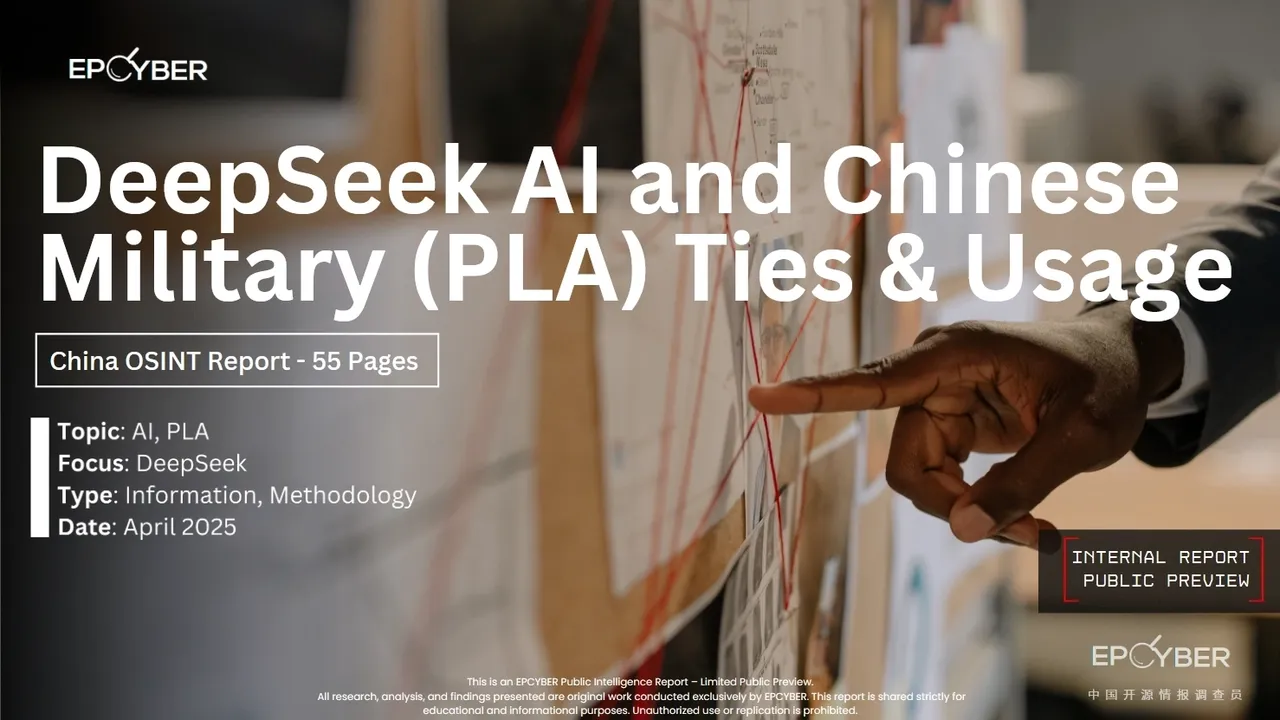
Our DeepSeek AI × Chinese Military (PLA) ties and usage report — state influence, military adoption, and infrastructure abuse, from original EPCYBER research.
Read post → 10:55
10:55
QCC and Tianyancha block foreign traffic with DPI, not a geo-fence — which is why a VPN doesn't get you in. Live, unedited, the route through.
Watch → 1:21
1:21
Over 50 exposed government documents marked top secret or confidential — found with a single method, somewhere keywords return nothing.
Watch → 1:15
1:15
Seventy-five seconds. The technical restrictions that stop most Western practitioners cold, and the way through.
Watch → 5:58
5:58
The +86 is the join between an account and a person. Here is how to get one.
Watch → 13:01
13:01
RedNote leaks its users' mobile numbers. What that opens up, and the databases sitting behind it.
Watch → 6:02
6:02
Reaching gov.cn data past its technical restrictions. Methods we found ourselves — which is why they still work.
Watch → 8:24
8:24
CSDN shows you enough to know the answer is there, then holds the rest behind a +86 login. Step by step, without an account.
Watch → 16:56
16:56
Finding data, getting past site restrictions, and running CTI across China's landscape — tools, cases, and source development.
Watch → 11:41
11:41
Twelve minutes of an actual lesson. How we explore, search, and pivot in China's ecosystem — including the wrong turns.
Watch → 6:26
6:26
90% of CTI reports scratch the surface. Two reasons nobody in the industry wants to name — and what actually fixes it.
Watch → 4:23
4:23
A Genesis Market successor and a new leaks search engine — both caught while still in early development, before anyone was watching.
Watch → 10:18
10:18
For team leaders asking what their analysts will actually be able to do afterward. The full rundown — and an honest note on who it isn't for yet.
Watch →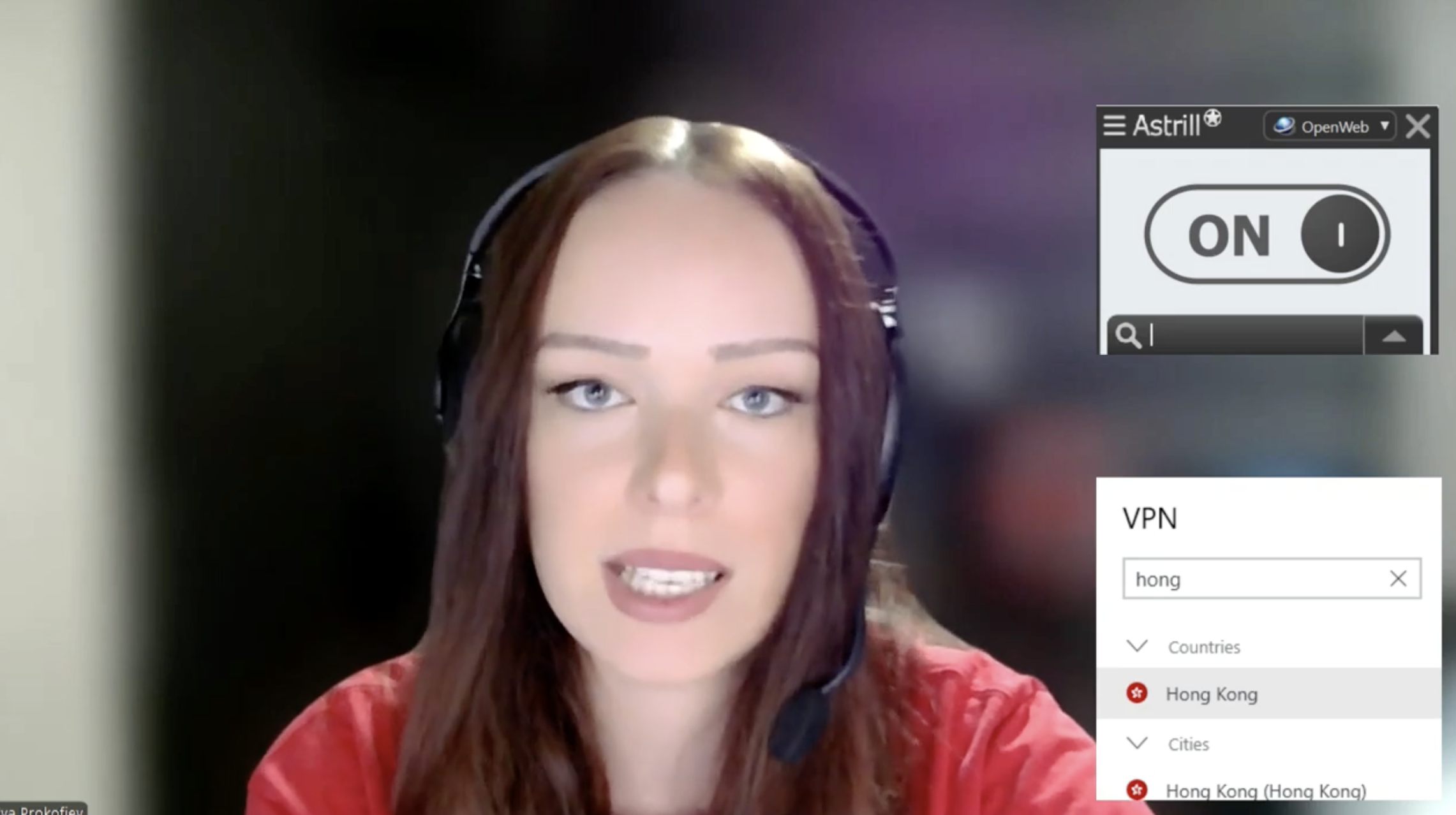 3:54
3:54
Ask a Western analyst how to reach a blocked Chinese site and you get one answer. Those platforms were built assuming you'd bring exactly that.
Watch → 7:10
7:10
An overview of the Advanced program — what it covers, and who it is built for.
Watch →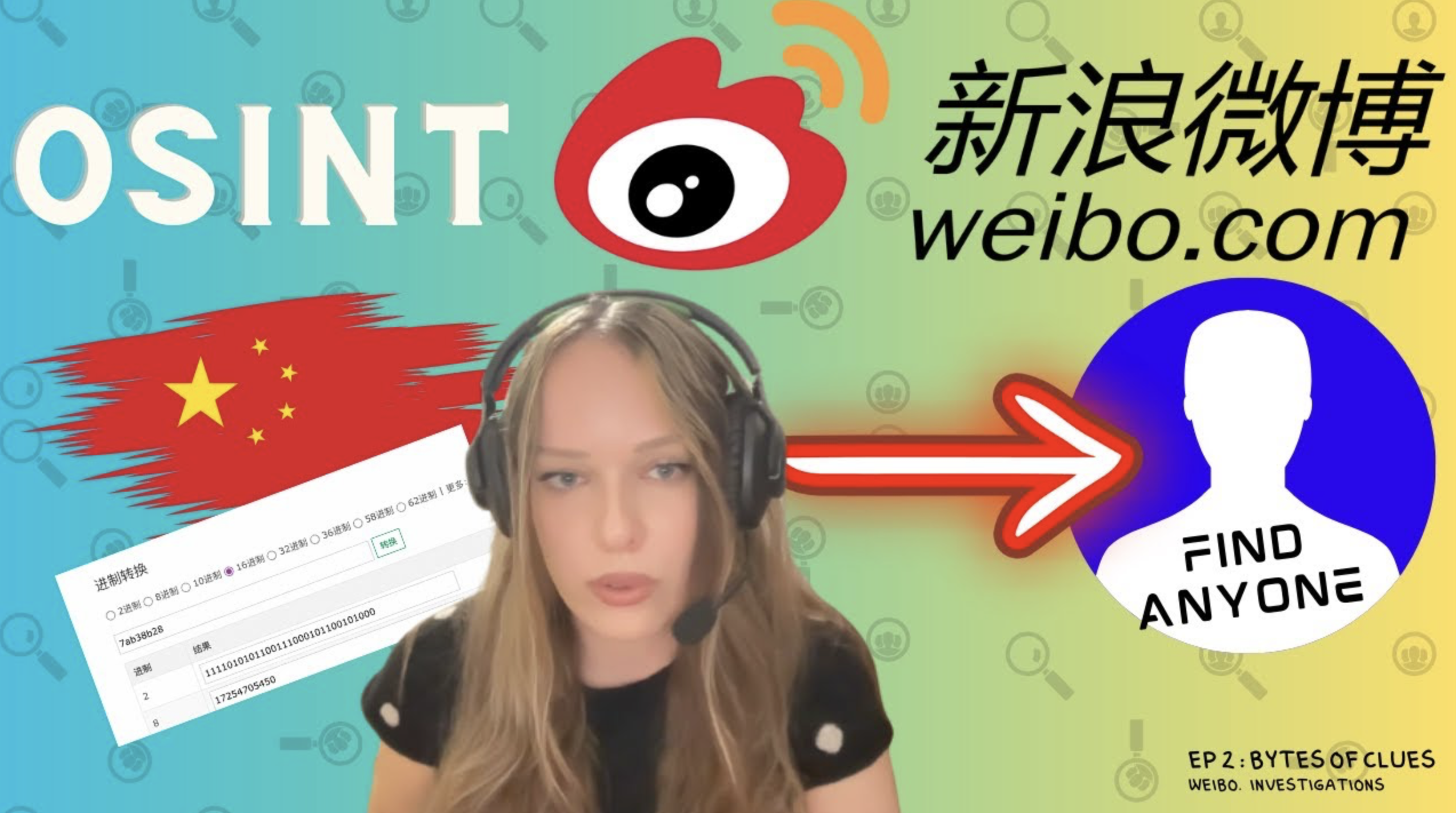 5:18
5:18
A manual route from a Weibo image to the account behind it. One episode of Bytes of Clues — and a drop in the ocean, by our own admission.
Watch →
Not sure which program fits, or whether we cover what you need? Just ask.
We're happy to tell you whether a specific platform, or focus area is included in a given course — and if it's not, whether we can build it in.
Reach out to sales@epcyber.com about: